
You may be a candidate for medical weight loss if your weight affects your health, you have struggled to lose weight on your own, and you are ready to commit to lifestyle changes with medical guidance. Eligibility depends on your body mass index, any weight-related health conditions, your overall health, and your readiness for ongoing care. At AZ Medspa 48 in Peoria, Stephanie Duffy evaluates each patient to decide whether a supervised program is a safe and realistic fit.
Medical weight loss is a clinical approach to managing weight. It is guided by a licensed provider rather than a diet book or an app. A program may include prescription medication, nutrition guidance, activity goals, and regular check-ins.
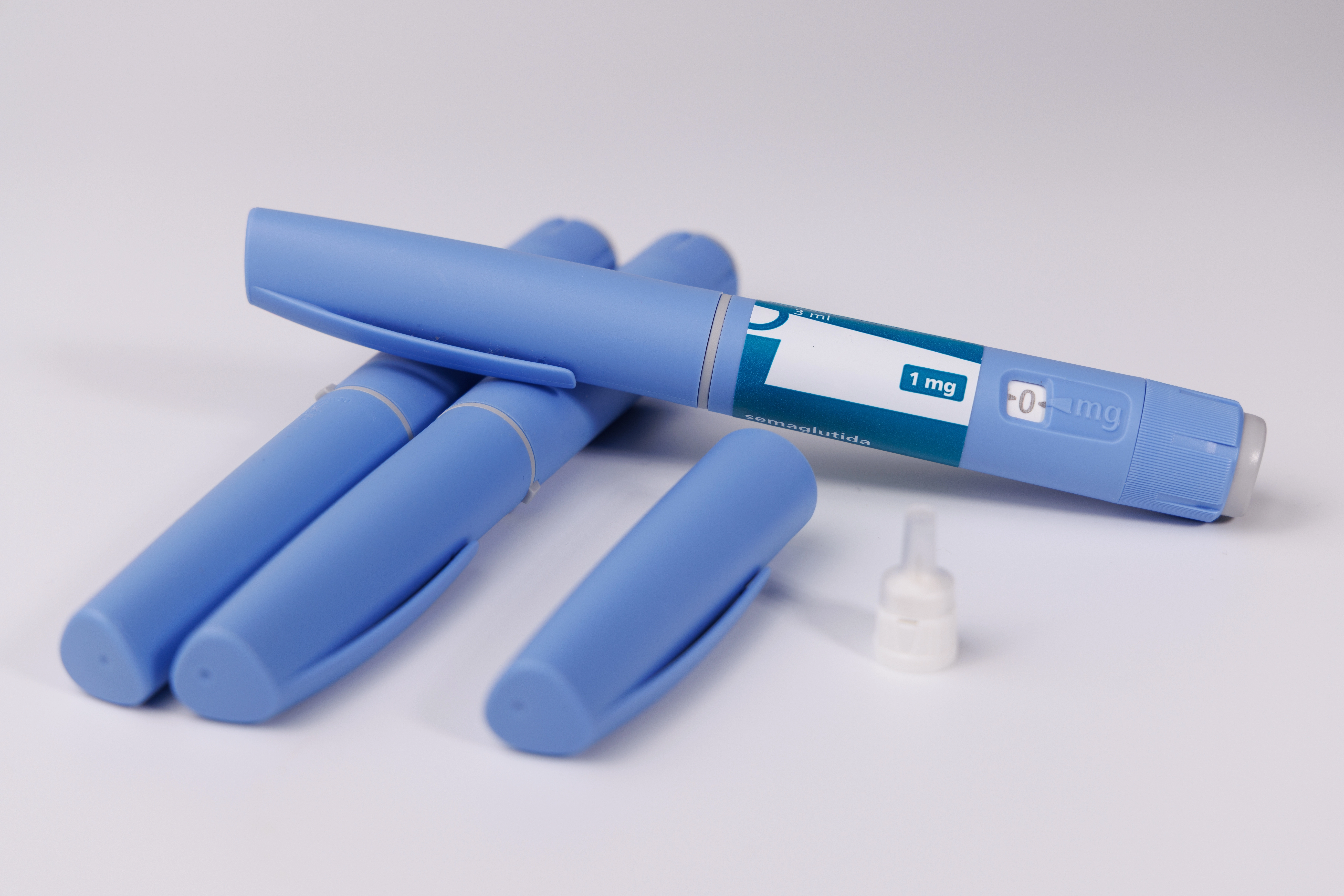
At AZ Medspa 48, our Weight Loss centers on GLP-1 medications such as semaglutide and tirzepatide. We source these medications from a US 503A/503B compounding pharmacy. Our goal is sustainable change, not a temporary fix.
Supervision means a trained provider watches how your body responds. Doses can be adjusted as your needs change. Side effects can be addressed early.
Stephanie Duffy is board certified by the American Nurses Credentialing Center. She focuses her practice on weight loss and hormone therapy. Her oversight helps patients move forward at a pace that fits their health.
Could You Be a Candidate for Medical Weight Loss? The answer depends on several factors that work together. No single number or trait decides it.
Most candidates are adults whose excess weight affects their health or daily life. Many of our weight loss patients are men and women between 40 and 50. These are often people who have tried to lose weight before without lasting results.
Body mass index, or BMI, compares your weight to your height. It is a screening tool, not a full picture of your health. Your BMI is weighed alongside your medical history and any related health conditions. A lower BMI paired with a health condition may still qualify you for care.
Excess weight can contribute to other health problems. Common examples include:
High blood pressure
Type 2 diabetes or prediabetes
High cholesterol
Sleep apnea
Joint pain
These conditions often strengthen the medical case for treatment. Losing weight may help improve them.
Many patients come to us after years of dieting and exercise that did not hold. That history matters. It shows that willpower alone was not the problem. Medication may help address hunger and appetite signals that make weight loss hard to sustain.
We treat adults 18 and older. Your overall health plays a large role in whether medication is appropriate. Some medical histories make GLP-1 medications a poor choice. A full health review helps rule these out.
Weight loss changes more than your body. It affects habits, routines, and how you relate to food. Readiness means you are prepared for those shifts. If emotional eating or stress plays a role, it helps to name it early so your plan can account for it.
Medication works alongside healthier eating and regular movement. Candidates should be willing to attend follow-up visits. These visits let us track progress, adjust doses, and keep you on course.
People around you can make the process easier. A partner who shares meals or a friend who walks with you adds structure. Support is helpful but not required. Many patients succeed by building new routines on their own.
Certain conditions or medications may affect your eligibility. Pregnancy, plans to become pregnant, and some thyroid or digestive histories call for extra caution. Hormone imbalance can also affect weight, so for some patients hormone therapy may be part of a broader wellness conversation.
When excess weight is tied to a diagnosed health condition, treatment has a clear medical purpose. Improving blood pressure, blood sugar, or cholesterol becomes part of the goal. These measurable markers also help track progress beyond the scale.

Strong candidates understand that results take time. Medical weight loss is gradual. Patients who set steady, reachable goals tend to stay with their plan longer. They also tend to keep the weight off after treatment.
Smoking and heavy alcohol use can work against your health goals. They may also affect how your body responds to treatment. Being honest about these habits helps us build a safer plan. Cutting back can make a real difference in your results.
Not meeting every guideline does not end the conversation. Could You Be a Candidate for Medical Weight Loss? even if one factor is missing? Sometimes the answer is yes, with adjustments.
If medication is not right for you today, other paths may help. These can include:
Nutrition and activity changes guided by your provider
Lab work to look for hormone or metabolic issues
Treating a related condition first, then reassessing
Your health can change over time. A future evaluation may lead to a different answer.
Your first visit focuses on your health history and goals. Stephanie Duffy reviews past weight loss attempts, current medications, and any health conditions. Lab work may be ordered and reviewed to guide decisions.

You will talk about what you hope to achieve. You will also learn whether a GLP-1 medication is a good fit for you. You leave knowing your options and what a realistic plan looks like.
Once you begin, follow-up visits keep your plan on track. During these visits, we:
Review your weight and progress
Ask about side effects or concerns
Adjust your medication dose when needed
Revisit eating and activity habits
This steady contact helps you build habits that last beyond treatment.
Ask yourself a few honest questions. Does your weight affect your health or energy? Have past efforts failed to last? Are you ready to make changes and keep follow-up visits?
If you answered yes to most of these, medical weight loss may be worth exploring. Hearing from people who have been through it can also help. You can read patient testimonials to learn about their experiences.
The first step is a consultation with Stephanie Duffy. She will review your health and help you decide on a plan that fits your life. You can learn more Our Team and explore our full range of wellness services.
Candidacy for medical weight loss depends on your BMI, related health conditions, past weight loss attempts, overall health, and readiness to commit. Missing one factor does not always rule you out. At AZ Medspa 48 in Peoria, Stephanie Duffy evaluates each patient to build a supervised plan focused on lasting results.