
Two medications are dominating the conversation around weight loss right now, and for good reason. Semaglutide and tirzepatide have quietly rewritten what’s possible in obesity medicine. But if you’re trying to figure out which one is right for you, the noise around both can be genuinely overwhelming.
Here’s what you actually need to know: tirzepatide is generally more effective for weight loss, but semaglutide has a longer track record and may be the right fit depending on your health history, insurance, and goals. Neither is universally “better” – the best one is the one that works for your body and your life.
AZ Medspa offers the latest weight loss treatments to help you achieve an impressive transformation.
These two drugs didn’t start out as weight loss medications. They were both originally developed to treat type 2 diabetes, and somewhere along the way, researchers noticed something remarkable: people taking them were losing significant amounts of weight. That discovery changed everything.
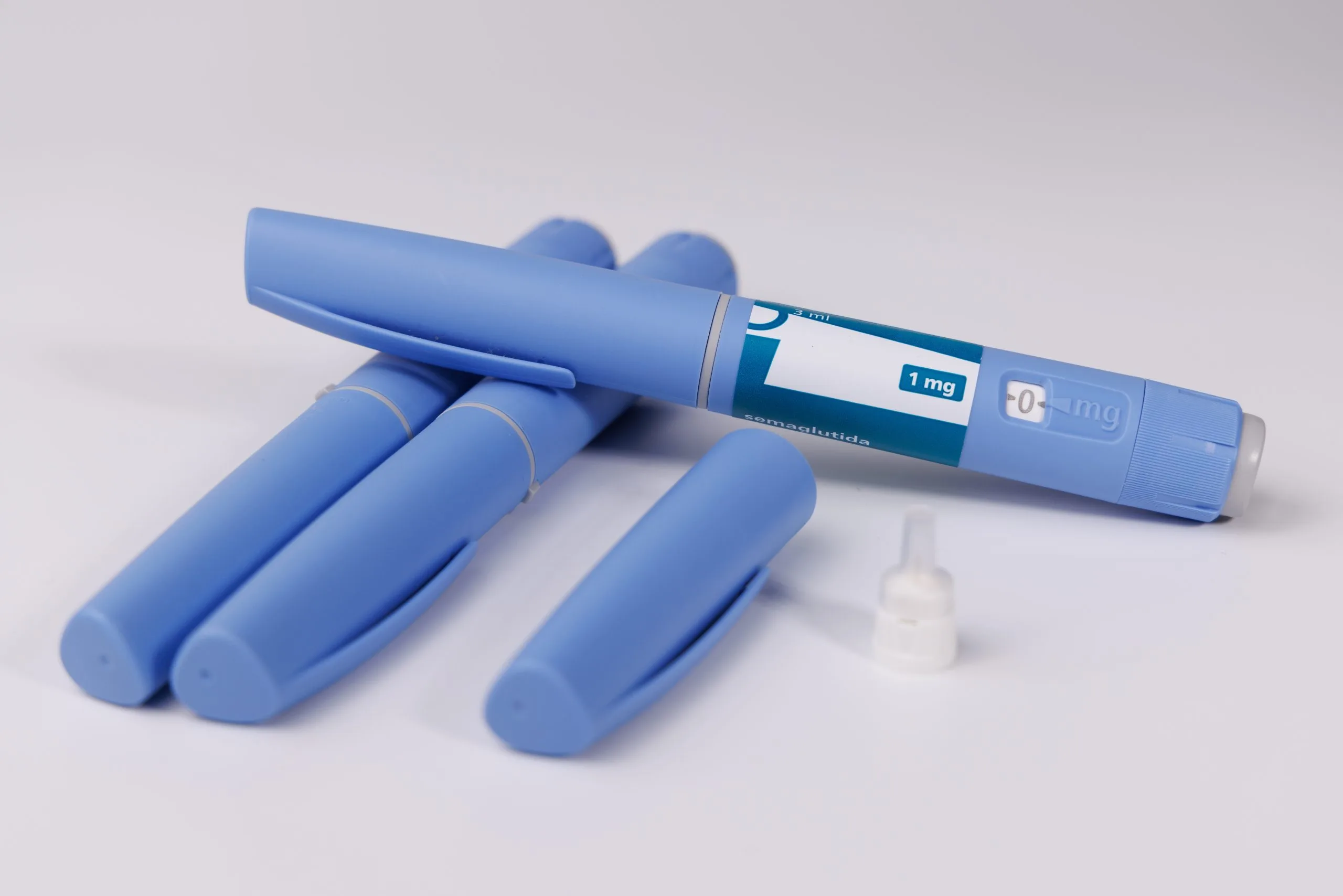
Semaglutide came first. You might know it by its brand names – Ozempic (the injectable, approved for diabetes) and Wegovy (the higher-dose injectable approved specifically for weight loss). Semaglutide has been available long enough that we have solid, multi-year data on its performance in real patients.
Tirzepatide is newer and came to market under the brand name Mounjaro for diabetes, and more recently Zepbound for weight management. Because it’s newer, the long-term data isn’t as extensive — but what we have so far is impressive enough that it’s generated a lot of excitement in the medical community.
Think of your gut as having a messaging system. When you eat, your body releases hormones that signal your brain to say, “Okay, we’re full. Slow down. Stop eating.” In people struggling with obesity or blood sugar issues, that messaging system can be sluggish or misfiring.
Semaglutide works by mimicking one of those hormones, called GLP-1 (glucagon-like peptide-1). It essentially turns up the volume on the “you’re full” signal, slows down how quickly food leaves your stomach, and helps regulate blood sugar at the same time.
Tirzepatide does all of that – and then some. It mimics two hormones: GLP-1 and GIP (glucose-dependent insulinotropic polypeptide). This dual action is why tirzepatide tends to produce stronger results in clinical trials. You’re getting two hormones working together instead of one.
This is where things get interesting. Clinical trials have shown:
Semaglutide (Wegovy): People lost an average of around 15% of their body weight over 68 weeks in the STEP trials – a landmark result at the time.
Tirzepatide (Zepbound): People lost an average of 20-22% of their body weight in the SURMOUNT trials, with some participants losing even more.
That gap is meaningful. If you weigh 250 pounds, 15% is about 37 pounds. Twenty percent is 50 pounds. For many people, that difference translates to significant improvements in health outcomes – reduced blood pressure, better joint health, improved sleep apnea, and more.
That said, clinical trial averages don’t tell the whole story. Some people respond exceptionally well to semaglutide and only modestly to tirzepatide. Bodies are not spreadsheets. Your doctor’s job – and yours – is to figure out which medication fits your particular biology.
Both medications share a similar side-effect profile because they act on overlapping pathways. The most common issues are gastrointestinal:
Nausea (especially in the early weeks as your dose increases)
Vomiting
Diarrhea or constipation
Bloating or stomach discomfort
For most people, these side effects are worst at the beginning and improve significantly as the body adjusts. Starting at a low dose and increasing gradually – which is standard practice – helps a lot.
Tirzepatide’s dual hormone action can cause slightly more intense GI side effects initially, though this varies widely from person to person. Others find tirzepatide easier to tolerate than semaglutide. There’s no reliable way to predict which camp you’ll fall into before you try it.
Both medications carry a boxed warning about a potential risk of thyroid tumors based on animal studies, though this hasn’t been confirmed in human studies. If you have a personal or family history of medullary thyroid carcinoma or a condition called MEN2, these medications aren’t for you – and any good prescriber will screen for this.
Let’s be honest: cost is a massive factor for most people, and this is where things can get frustrating.
Both medications are expensive without insurance coverage – often $900 to $1,400 per month at list price. Coverage is improving as more insurers recognize obesity as a medical condition, but it’s still inconsistent. Tirzepatide (Zepbound) has been more aggressive in offering savings programs, and manufacturer coupons can significantly lower costs for people who qualify.
Semaglutide has been on the market longer, which means more prescribers are familiar with it, more prior authorization pathways have been established, and in some cases, compounded versions have been available during shortage periods (though the FDA has flagged concerns about compounded GLP-1s, so this is worth discussing carefully with your doctor).
If cost is your primary concern, your prescriber and a pharmacist can help you navigate what’s actually accessible for your situation.
Here’s a practical way to think about it:
Semaglutide might be the right fit if:
Your insurance covers it and not tirzepatide
You want a medication with more long-term human data
You’ve been recommended it for cardiovascular risk reduction (semaglutide has strong cardiovascular outcome data)
You’re starting out and want to try an established option first
Tirzepatide might be the right fit if:
You want the highest potential weight loss based on current evidence
You have type 2 diabetes and want strong blood sugar control alongside weight loss
You’ve tried semaglutide and didn’t get the results you hoped for
Your prescriber recommends it based on your health profile
The decision also depends on factors only your doctor can assess: your current medications, other health conditions, your history with GI issues, your goals, and how your body responds over time. Neither drug is a guaranteed outcome — they work best alongside lifestyle changes, not as a replacement for them.
Semaglutide and tirzepatide are both genuine medical advances, not just trendy weight loss shortcuts. They represent a meaningful shift in how medicine approaches obesity – treating it as a hormonal and metabolic condition rather than a willpower problem.
Tirzepatide is the newer, more powerful option on paper. Semaglutide is the trusted, well-studied choice with more established insurance pathways and long-term safety data. Both can change lives when used appropriately.
If you’re considering either medication, start with an honest conversation with a healthcare provider who takes your weight health seriously – not one who dismisses it, and not one who promises miracles. The right medication, paired with the right support, can be a genuinely transformative tool.
You deserve that conversation. Don’t let the confusion stop you from having it.

About the Author
Stephanie Duffy, MSN, FNP-BC
April 27, 2026
